 InvestIntel
Light
Dark
InvestIntel
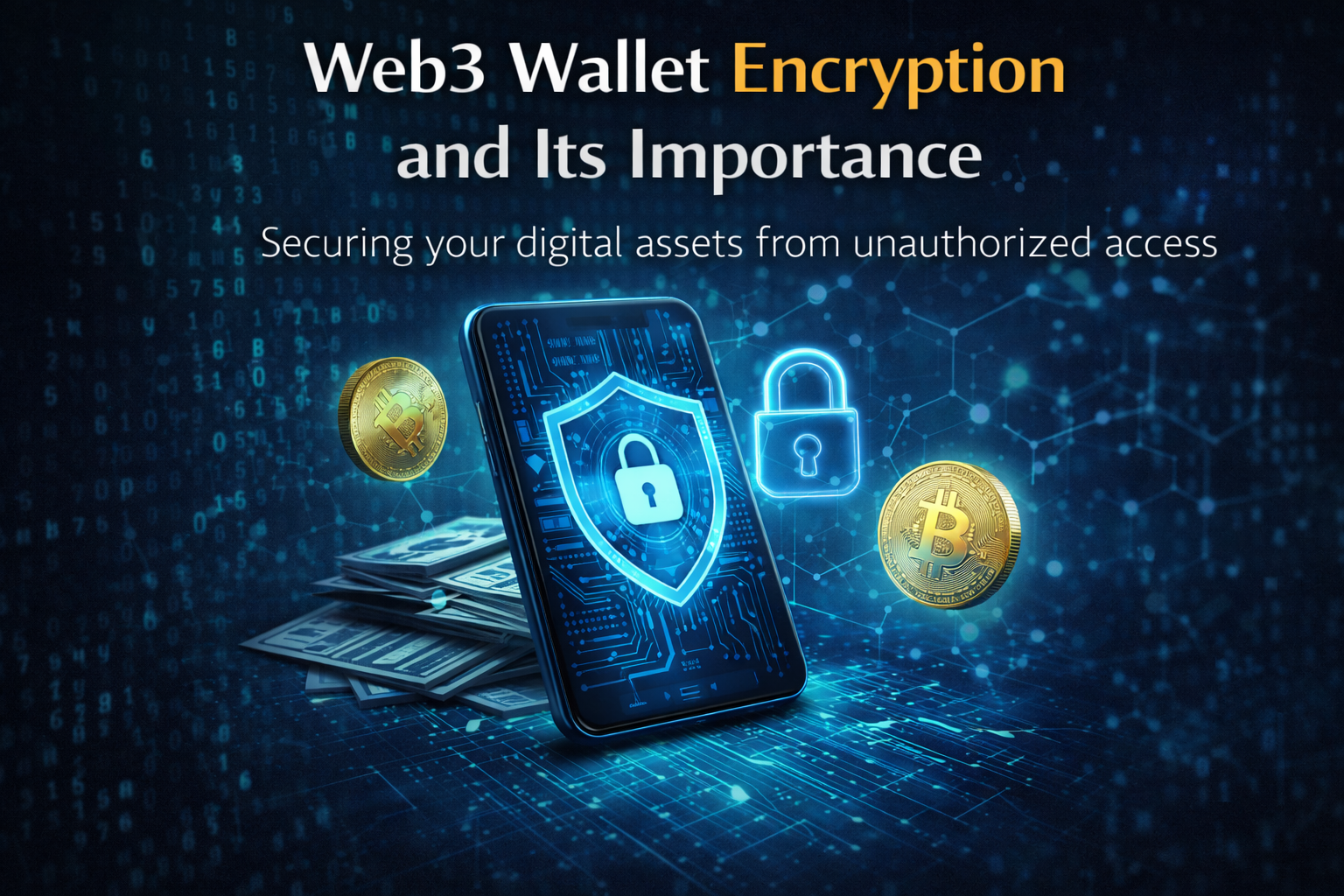
As blockchain technology grows, digital asset security becomes increasingly important. Web3 wallets allow users to store, send, and receive cryptocurrencies while interacting with decentralized applications.
However, without proper security measures, digital assets can be vulnerable to cyber threats. This is where Web3 wallet encryption and its importance come into focus.
Encryption protects sensitive data, especially private keys, which grant access to cryptocurrency holdings. Understanding how encryption works helps users safeguard their assets more effectively.
A Web3 wallet is a digital tool that allows users to interact with blockchain networks.
Unlike traditional banking apps, Web3 wallets give users full control over their funds. They typically store:
Private keys
Public addresses
Transaction history
Access credentials
Web3 wallets can be:
Software-based (mobile or browser wallets)
Hardware-based (physical devices for secure storage)
Security largely depends on how private keys are protected.
Encryption is the process of converting sensitive information into coded data that cannot be read without proper authorization.
In Web3 wallets, encryption protects:
Private keys
Seed phrases
Wallet passwords
Local storage data
Without encryption, unauthorized individuals could access funds simply by retrieving stored data. Initiate Vault
Understanding Web3 wallet encryption and its importance is critical for anyone using digital assets.
Private keys control access to cryptocurrencies. If someone obtains your private key, they can transfer your assets without permission.
Encryption ensures that even if data is accessed, it cannot be easily decoded.
Encrypted wallets require passwords or authentication to decrypt stored keys.
This reduces the risk of:
Malware attacks
Device theft
Unauthorized account access
Encryption acts as a barrier between attackers and your funds.
Most Web3 wallets encrypt data stored on your device.
Even if a device is compromised, encrypted information remains protected unless properly unlocked.
Web3 systems operate without centralized intermediaries. This means users are responsible for their own security.
Encryption enables self-custody while maintaining strong protection standards.
When you create a wallet:
A private key is generated.
The wallet encrypts that key using a password you create.
The encrypted key is stored locally or on a device.
Each time you access the wallet, the key is decrypted temporarily for use.
If the password is strong, the encryption remains highly secure.
Web3 wallets often use advanced cryptographic standards, including:
Symmetric encryption (password-based encryption)
Asymmetric cryptography (public and private key systems)
Secure hashing algorithms
These methods make unauthorized access extremely difficult when used properly.
Even with encryption, users must take additional precautions.
Avoid simple or reused passwords.
Where available, enable extra authentication layers.
Never store seed phrases digitally without protection.
Hardware wallets store private keys offline, reducing exposure to online threats.
Encryption works best when combined with responsible security habits.
If encryption is weak or improperly configured:
Wallet files may be vulnerable
Passwords can be brute-forced
Private keys may be exposed
User education is essential in maintaining wallet security. Get Secured
As Web3 adoption increases, wallet security will continue evolving.
Future developments may include:
Biometric authentication
Multi-signature wallets
Advanced hardware integration
Improved encryption standards
Stronger encryption will remain central to blockchain security.
Web3 wallet encryption and its importance cannot be overstated. Encryption protects private keys, prevents unauthorized access, and enables secure self-custody of digital assets.
While blockchain networks are inherently secure, wallet protection depends largely on user practices and encryption strength.
By understanding encryption fundamentals and applying best practices, users can significantly reduce security risks in the Web3 ecosystem.
Perform Multi Sig Transaction.
Encryption protects private keys and sensitive wallet data from unauthorized access.
Encryption significantly reduces risk, but weak passwords or unsafe practices can still create vulnerabilities.
Hardware wallets add an extra layer of security by storing private keys offline.