 InvestIntel
Light
Dark
InvestIntel
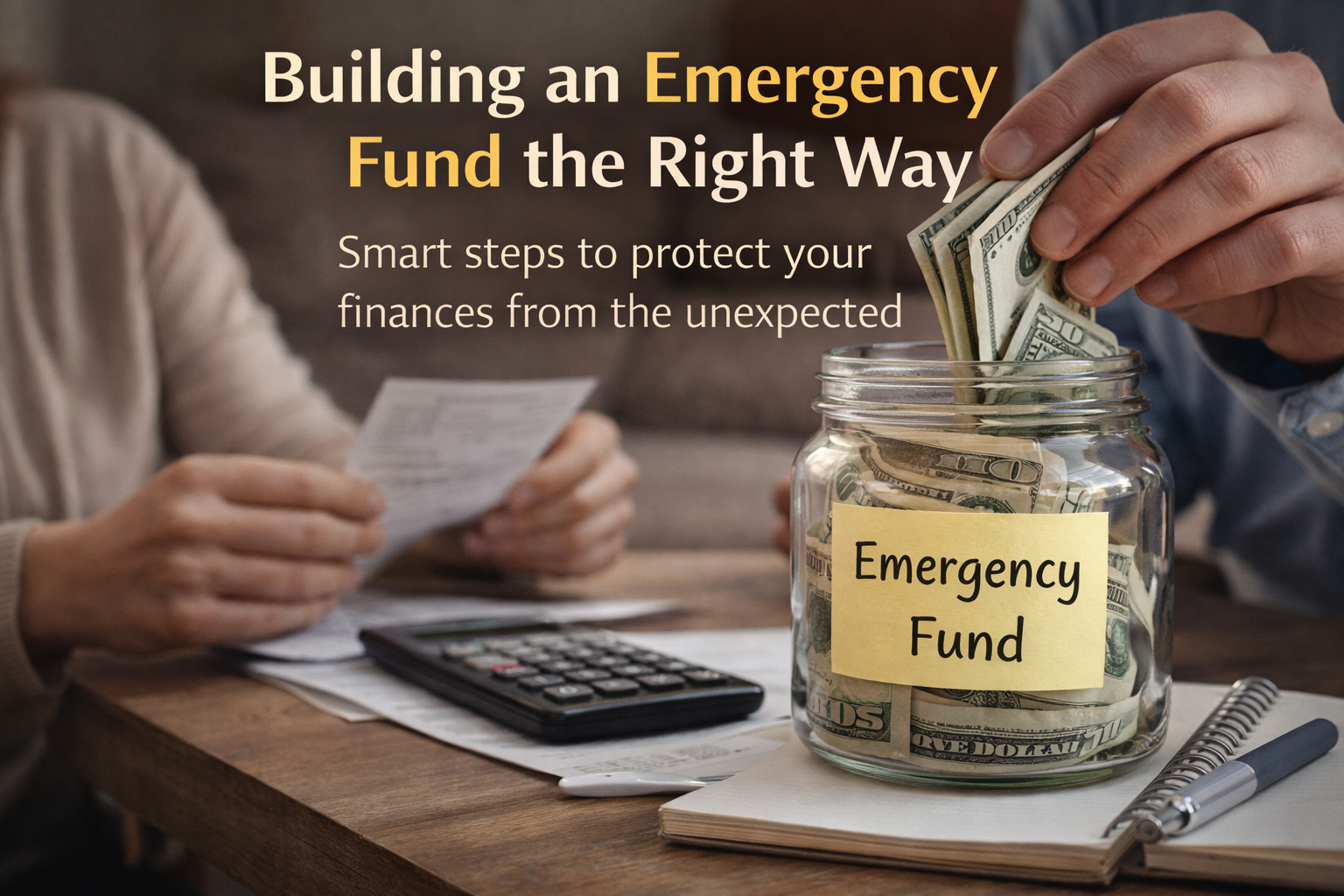
Financial emergencies can happen at any time. Job loss, medical bills, car repairs, or unexpected home expenses can quickly disrupt your budget.
That’s why building an emergency fund the right way is one of the most important steps toward financial stability. An emergency fund acts as a financial safety net, helping you avoid debt when unexpected costs arise.
This guide explains how to create, grow, and maintain an emergency fund in a practical and sustainable way.
An emergency fund is money set aside specifically for unexpected expenses. It is not intended for vacations, shopping, or planned purchases.
Common uses for an emergency fund include:
Medical expenses
Car repairs
Essential home repairs
Temporary job loss
Urgent travel needs
Having accessible savings can prevent you from relying on high-interest credit cards or loans during stressful situations.
Building an emergency fund the right way provides:
It helps cover essential expenses without disrupting your long-term financial goals.
Knowing you have a financial buffer can reduce anxiety during uncertain times.
Emergency savings reduce the need to borrow money at high interest rates.
The ideal emergency fund amount depends on your situation.
Start with a small milestone, such as $500 to $1,000. This creates immediate protection for minor emergencies.
Many financial experts recommend saving three to six months of essential living expenses.
If you are self-employed or have irregular income, consider saving closer to six months or more.
List monthly costs that you must pay, such as:
Rent or mortgage
Utilities
Groceries
Insurance
Transportation
Multiply this amount by three to six months to determine your target savings.
Start small if necessary. Even consistent contributions of $50 or $100 per month can build momentum.
Consistency matters more than speed.
Automatic transfers to a dedicated savings account can make saving easier.
Treat your emergency fund contribution like a fixed bill you pay each month.
Store your emergency fund in a separate, easily accessible account. This prevents accidental spending.
High-yield savings accounts are often suitable because they:
Provide liquidity
Offer modest interest earnings
Maintain low risk
Only withdraw from your emergency fund for genuine unexpected expenses.
If you use part of it, prioritize rebuilding it as soon as possible.
Your emergency fund should be:
Easily accessible
Low risk
Separate from daily spending accounts
Common options include:
High-yield savings accounts
Money market accounts
Cash management accounts
Avoid investing emergency funds in volatile assets like stocks or cryptocurrency, as market declines could reduce availability when you need it most.
When building an emergency fund the right way, avoid these pitfalls:
Set clear milestones to stay motivated.
Emergency funds are meant for stability, not growth.
Review your emergency fund annually to ensure it still covers essential expenses.
If you have high-interest debt, consider balancing debt repayment with emergency savings.
Many people choose to:
Build a small starter emergency fund
Focus on paying down high-interest debt
Resume full emergency fund contributions afterward
This balanced approach provides protection while reducing financial burden.
Once your target is reached:
Review it annually
Adjust for income or expense changes
Keep it liquid and secure
Building an emergency fund the right way is not a one-time task. It requires occasional review and maintenance.
Building an emergency fund the right way is one of the most effective steps toward long-term financial security.
By setting clear goals, saving consistently, and keeping funds accessible, you create a financial buffer that protects against unexpected disruptions.
Financial stability starts with preparation. An emergency fund helps you face uncertainty with confidence.
It depends on your savings rate and target amount. Even small monthly contributions can build meaningful protection over time.
No. Emergency funds should remain in low-risk, liquid accounts to ensure accessibility.
Yes. Starting with a small goal helps build momentum and financial confidence.