 InvestIntel
Light
Dark
InvestIntel

As economic conditions evolve, staying proactive with your finances becomes increasingly important. Smart personal finance strategies for 2026 focus on stability, disciplined investing, debt management, and adapting to changing market conditions.
Whether you are just starting your financial journey or refining an existing plan, these strategies can help strengthen your financial foundation.
A well-structured budget remains the cornerstone of personal finance.
In 2026, focus on:
Tracking essential expenses
Adjusting for inflation
Identifying savings opportunities
Cutting unnecessary subscriptions
Regularly reviewing your budget ensures it reflects current financial realities.
An emergency fund provides financial security during unexpected events.
Aim for:
Three to six months of essential expenses
Easily accessible, low-risk accounts
Periodic adjustments as expenses change
This remains one of the smartest personal finance strategies for 2026.
High-interest debt limits wealth-building potential.
Prioritize:
Credit card balances
High-interest personal loans
Refinancing options when appropriate
Lower debt improves cash flow and financial flexibility.
Automation reduces the temptation to skip contributions.
Set up:
Automatic transfers to savings
Retirement account contributions
Investment allocations
Consistency builds long-term growth.
Market volatility highlights the importance of diversification.
Consider:
Domestic and international stocks
Bonds
Real estate exposure
Retirement accounts
Diversification reduces risk while supporting steady growth.
Even small increases in retirement contributions can significantly impact long-term outcomes.
Review:
Employer matching programs
Contribution limits
Tax-advantaged accounts
Compounding growth works best over time.
Economic conditions change, and financial knowledge should evolve as well.
Stay informed about:
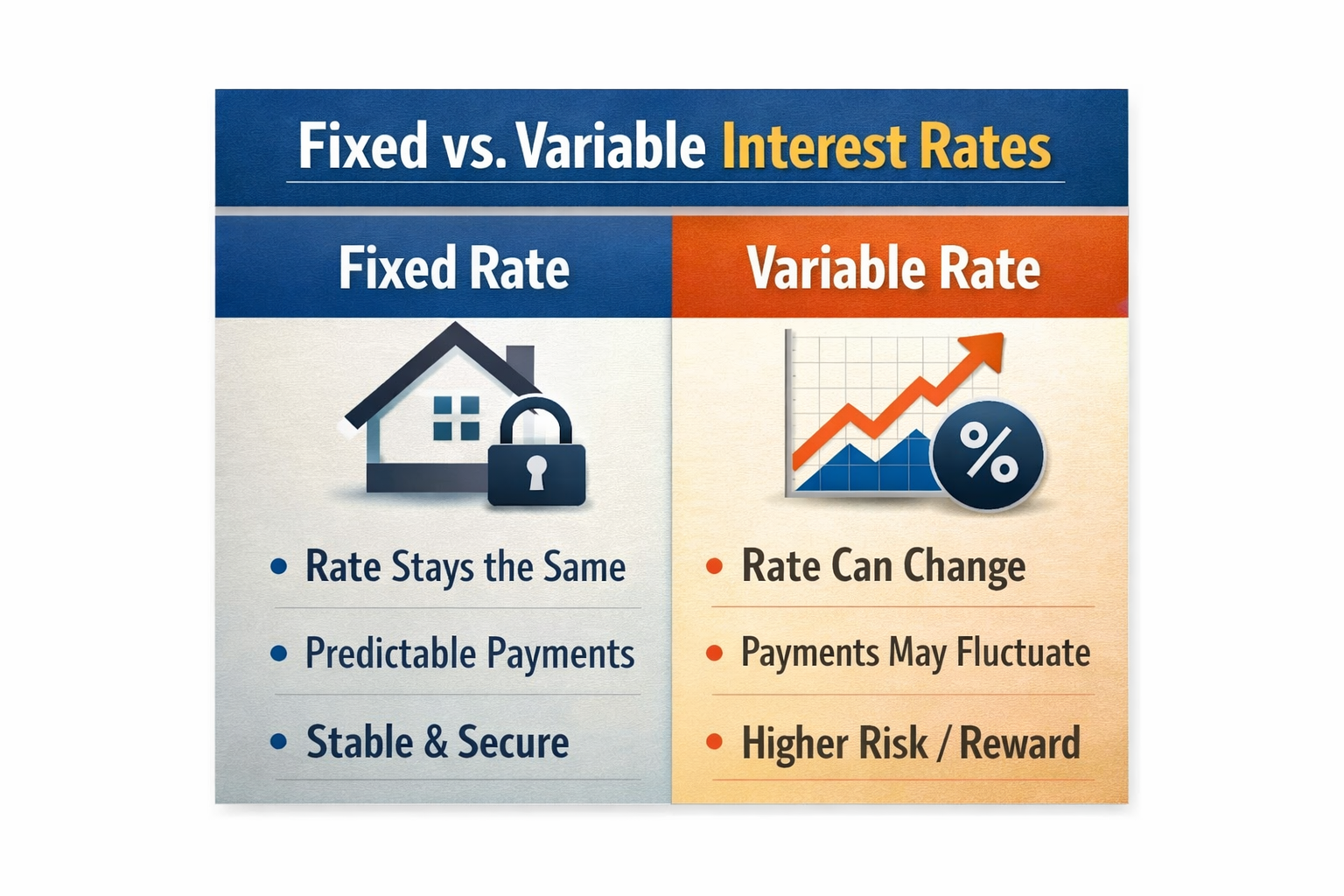
Interest rate trends
Inflation impact
Tax planning updates
Investment strategies
Continuous learning supports smarter financial decisions.
Inflation reduces purchasing power over time.
Smart planning may include:
Investing in growth assets
Reviewing long-term savings goals
Adjusting income expectations
Planning ahead helps preserve value.
Diversifying income sources can improve financial stability.
Options may include:
Dividend investments
Rental income
Freelance or consulting work
Digital products
Multiple streams reduce reliance on a single income source.
One of the most overlooked smart personal finance strategies for 2026 is conducting a full financial review.
Evaluate:
Net worth
Asset allocation
Insurance coverage
Debt levels
Long-term goals
Annual reviews allow adjustments based on life changes or economic shifts.
Economic conditions in 2026 may include fluctuating interest rates, inflation adjustments, and evolving financial technologies.
Proactive planning helps individuals:
Protect purchasing power
Maintain financial stability
Reduce stress during economic uncertainty
Strategic planning builds resilience.
Avoid these financial pitfalls:
Ignoring inflation
Overconcentrating investments
Failing to review insurance coverage
Delaying retirement planning
Making emotional investment decisions
Smart planning requires discipline and consistency.
Smart personal finance strategies for 2026 focus on balance, preparation, and adaptability.
By strengthening savings, reducing debt, diversifying investments, and reviewing financial goals regularly, you create a foundation for long-term stability.
Financial success is not about quick gains — it is about consistent, informed decisions over time.
Building a strong foundation through budgeting, emergency savings, and disciplined investing is essential.
At least once per year, or whenever major life changes occur.
Yes. Diversification remains a key strategy for managing risk and long-term growth.